
Shashel is a modern wood treatment system that uses microwave technology to deal with woodworm infestations from inside the wood. One of the most common questions homeowners ask is whether woodworm damage can be reversed once it has already happened. The answer is not always simple, because it depends on how deep the damage is and how early it is treated.
In this article, we will explain how woodworm damage works, whether it can be reversed, and how Shashel helps in restoring and protecting wooden structures.visit for more details Shashel
Understanding Woodworm Damage
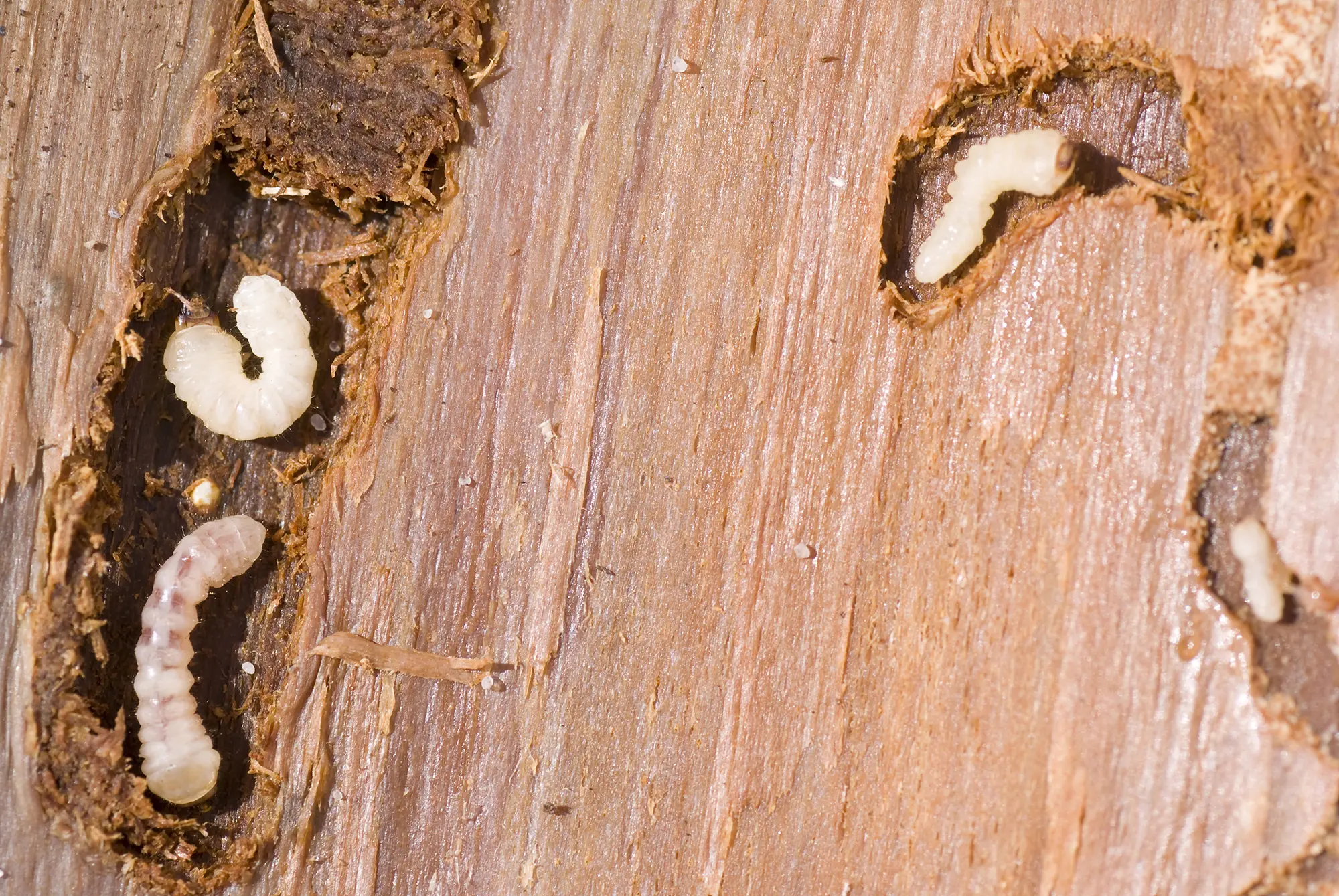
Woodworm damage is caused by insects that lay eggs inside wood. When the larvae hatch, they start eating the wood from the inside. This creates tunnels and weakens the internal structure.
At first, the damage is hidden. Over time, small signs may appear such as:
- Tiny holes in wood surfaces
- Fine powder-like dust near furniture
- Weak or hollow sound in wood
- Cracks in wooden structures
By the time these signs appear, internal damage may already be significant.
Can Woodworm Damage Be Fully Reversed?
In most cases, woodworm damage cannot be completely reversed because the insects physically remove parts of the wood structure while feeding. Once wood is eaten away, it does not naturally grow back.
However, damage can be controlled, stopped, and stabilized. This means:
- The infestation can be fully eliminated
- Further damage can be prevented
- The structure can be strengthened again
So while the lost wood cannot be restored naturally, the overall condition of the structure can be saved.
The Role of Shashel in Stopping Damage
Shashel plays an important role in stopping active woodworm damage. It does not rebuild wood, but it prevents further destruction.
It works by using microwave energy to create heat inside the wood. This heat kills all stages of woodworm, including eggs, larvae, and adult insects.
Once the pests are eliminated, the damage stops progressing.
Why Stopping Infestation Is the Most Important Step
Even though existing damage cannot grow back, stopping the infestation is the most important step in wood protection.
If pests are not removed:
- Damage continues to spread
- Wood becomes weaker over time
- Structural safety is at risk
Shashel ensures that the root cause is removed completely.
How Shashel Protects Affected Wood
Shashel protects wood in three main ways:
First, it reaches deep inside the wood where insects live. This ensures hidden larvae are targeted.
Second, it applies internal heat that destroys pests at all life stages.
Third, it stops reinfestation by eliminating eggs that would otherwise restart the cycle.
This process stabilizes the wood and prevents further deterioration.
Strengthening Damaged Wood After Treatment
After Shashel treatment, wood may still need additional support depending on the level of damage.
Common strengthening methods include:
- Wood fillers for holes
- Structural reinforcement in beams
- Surface restoration for furniture
- Protective coatings to prevent future issues
These steps help restore usability and appearance.
Why Chemical Treatments Are Not Enough Alone
Chemical treatments can kill insects, but they may not always reach deep inside wood. In cases of heavy infestation, some pests may survive and continue causing damage.
Shashel improves this by reaching internal layers more effectively using heat instead of chemicals.
Importance of Early Treatment
The earlier woodworm is treated, the better the outcome.
If treated early:
- Damage remains minimal
- Structure stays strong
- Restoration is easier
If treated late:
- More wood is lost
- Repair becomes more complex
- Structural weakness increases
Shashel is most effective when used before damage becomes severe.
Long-Term Protection After Treatment
After Shashel treatment, long-term protection depends on proper care. Even though pests are removed, wood still needs maintenance.
Good practices include:
- Keeping wood dry
- Avoiding moisture buildup
- Regular inspection
- Protecting wood from leaks
These steps help ensure pests do not return.
Realistic Expectation of Results
It is important to have realistic expectations. Shashel does not rebuild wood that has already been eaten. Instead, it:
- Stops active infestation
- Prevents further damage
- Protects remaining structure
- Improves long-term durability
This makes it a protective and stabilizing solution rather than a rebuilding method.
Final Conclusion
Woodworm damage cannot be fully reversed because the physical loss of wood is permanent. However, it can be controlled and stabilized effectively. Shashel plays a key role in this process by eliminating pests from inside the wood using microwave technology.
It stops further damage, protects the structure, and helps preserve wooden items for long-term use.