
Introduction
Large-scale construction projects demand materials that offer durability, versatility, cost efficiency, and aesthetic adaptability. Among these materials, aluminum frames have become a preferred choice for architects, engineers, and developers around the world. Whether used in commercial complexes, industrial structures, transportation hubs, or multi-storey residential buildings, aluminum frames—and specifically modern 鋁架 systems—deliver performance advantages that traditional materials cannot match. This article explores why builders trust aluminum frames and how their unique qualities make them ideal for demanding, large-scale projects.
The Structural Advantages of Aluminum Frames
Exceptional Strength-to-Weight Ratio
One of the key factors that makes aluminum frames ideal for large projects is their superior strength-to-weight ratio. Aluminum is significantly lighter than steel yet retains impressive structural strength. This combination allows builders to design large spans, tall façades, and extended support systems without adding unnecessary weight to the building’s load-bearing elements.
The lightweight nature of 鋁架 components also enhances transportation efficiency and reduces labor intensity during installation.
Outstanding Durability and Weather Resistance
Large-scale structures must endure harsh weather, moisture, temperature changes, and potential chemical exposure. Aluminum naturally resists corrosion, meaning it does not rust, warp, or deteriorate over time. This is especially valuable in coastal, humid, or industrial environments where steel may require ongoing treatment.
As a result, buildings using aluminum frames enjoy longer lifespans and lower long-term maintenance costs.
High Flexibility for Complex Architectural Designs
Modern buildings frequently feature curved edges, geometric shapes, curtain walls, and large glass installations. Aluminum frames can be extruded into numerous shapes and customized profiles, making them highly adaptable.
Custom 鋁架 systems allow architects to achieve ambitious designs without compromising stability or functionality.
Cost Efficiency in Major Construction Projects
Reduced Installation Time
Because aluminum frames are lightweight, construction teams can transport and assemble them more efficiently than heavier alternatives. This leads to quicker project timelines, reduced delays, and optimized labor hours—all of which contribute to significant cost savings.
Low Maintenance and Long-Term Value
Builders appreciate that aluminum frames require very little upkeep. They do not need repainting, rust-proofing, or chemical treatments. Even after decades of exposure, aluminum maintains its shape, color, and integrity.
For large commercial building owners, this translates into lower maintenance budgets throughout the building’s lifecycle.
Energy Efficiency Improvements
Modern aluminum frames can incorporate energy-efficient features such as thermal breaks and insulated glazing. These enhancements help reduce heat loss or heat gain, improving HVAC efficiency and lowering energy consumption in large buildings.
As sustainability becomes a core requirement in construction, aluminum frames support eco-conscious design goals.
Performance Capabilities That Large Projects Depend On
Strong Load-Bearing Performance
Engineers rely on aluminum frames for their ability to withstand heavy loads, making them suitable for tall structures and broad-span façades. Aluminum framing systems easily support large glass panels without compromising safety.
Fire Resistance and Safety Compliance
Aluminum is non-combustible, meaning it does not ignite or produce harmful fumes under high temperatures. This makes aluminum frames a reliable option for achieving fire safety compliance in high-occupancy buildings.
Compatibility with Modern Construction Materials
Aluminum frames seamlessly integrate with:
- Curtain wall systems
- Composite cladding
- Concrete structures
- Steel reinforcements
- Glass façades
This compatibility streamlines project coordination and ensures structural harmony across multiple building systems.
Environmental Sustainability
100% Recyclability
Aluminum is one of the most recyclable materials used in construction. Even after decades of use, aluminum frames can be melted down and reused without losing quality.
Using 鋁架 in large-scale projects supports sustainability efforts and reduces overall waste.
Lower Carbon Footprint
Aluminum’s lightweight properties reduce fuel consumption during transportation. When paired with energy-efficient glass and insulation, buildings using aluminum frames operate with significantly reduced energy usage and carbon emissions.
Applications in Large-Scale Construction
Commercial and Corporate Buildings
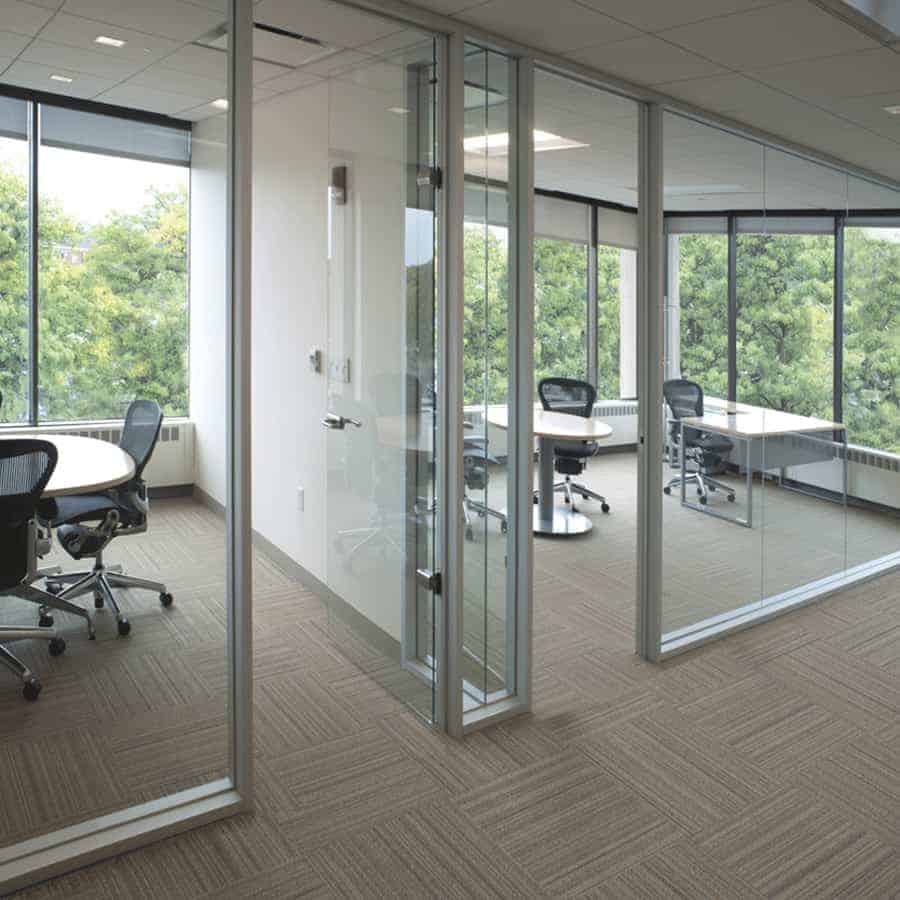
Aluminum frames allow the installation of expansive glass curtain walls, creating modern, open, and naturally lit work environments.
Industrial and Manufacturing Facilities
Factories and warehouses benefit from aluminum’s corrosion resistance, especially in environments where chemicals, moisture, or heat are present.
Public Infrastructure
Hospitals, airports, schools, transportation buildings, and government facilities rely on aluminum frames for their long-lasting performance and aesthetic adaptability.
High-Rise Residential Towers
Slim but strong aluminum frames allow developers to maximize window space, improving lighting and increasing building value.
Conclusion
Builders trust aluminum frames for large-scale projects because they deliver an unmatched balance of strength, durability, flexibility, and efficiency. The use of advanced 鋁架 systems enhances architectural creativity while reducing long-term operational costs. As modern construction continues moving toward sustainability, energy efficiency, and innovative design, aluminum frames will remain a cornerstone material in the world of large-scale development.